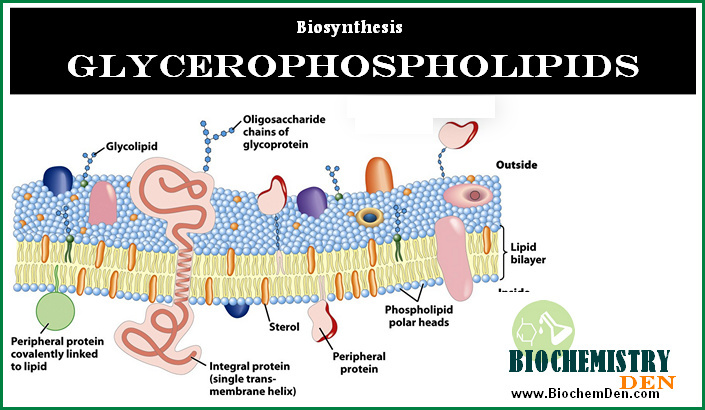
Are you searching for a clear, student‑friendly protocol on color reactions of lipids and the qualitative analysis of lipids for your biochemistry practical? Lipids are one of the major constituents of foods and biological membranes, and they are routinely identified in the lab using simple qualitative tests such as solubility tests, transparency (grease spot) tests, emulsification tests, and tests for unsaturation.
Lipids serve as a major source of energy and provide essential fatty acids and other lipid nutrients needed for normal physiology.
However, overconsumption of certain lipid components (for example, cholesterol and saturated fats) can be harmful to health, so understanding qualitative tests for lipids is important in both food science and clinical biochemistry.

In many foods, the lipid fraction determines key physical characteristics such as flavor, texture, mouthfeel, and appearance, which is why low‑fat products often taste and feel different.
In addition, dietary fats are prone to lipid oxidation, leading to off‑flavors and potentially harmful oxidation products, so qualitative and quantitative lipid tests are widely used in laboratories and industry.
In this post, you will learn the step‑by‑step qualitative analysis of lipids with practical protocols, observation points, and results for each test (solubility test of lipids, transparency/grease spot test, emulsification test for lipids, and a simple test for unsaturation).
At the end, you can also download the complete qualitative analysis of lipids practical PDF with general procedure and observation sheets for students and teachers.
The following color reactions of lipids are commonly included in BSc and MBBS biochemistry practical exams: solubility test, transparency (grease spot) test, emulsification test, and test for unsaturation of lipids.
Qualitative Analysis: Color Reactions of Lipids
1. Solubility Test of Lipids (Qualitative Test)
The solubility test of lipids is a simple preliminary test used in the qualitative analysis of lipids. Lipids are characteristically insoluble in water but soluble in non‑polar organic solvents such as ether, chloroform, and benzene.
Principle
Lipids are hydrophobic and have lower polarity than water, so they are insoluble in water and do not mix with aqueous solvents. The lipid sample dissolves readily in organic solvents (for example, ether or chloroform) and often floats on water because of its lower specific gravity compared with water.
Reagents and materials
- Lipid sample (e.g., oil or fat)
- Distilled water
- Ethanol (95%)
- Ether
- Chloroform
- Test tubes and dropper/pipette
Procedure / Test
- Label four clean test tubes and add about 3 mL of each solvent: water, ethanol, ether, and chloroform.
- Add 5 drops of the lipid sample (oil) to each tube.
- Mix gently and observe the lipid color, appearance, and solubility in each solvent.
Observation and result
- In water and ethanol: the lipid remains as separate droplets or a layer and is insoluble, often forming a distinct phase at the top of the tube.
- In chloroform and ether: the lipid dissolves completely, giving a clear solution and confirming that the given sample is a lipid.
This solubility test for lipids is used as a basic qualitative test of lipids and is frequently combined with other tests like emulsification, Sudan III staining, and acrolein test in practical manuals
2. Transparency (Grease Spot) Test for Lipids
All lipids are greasy or oily in nature, so they leave a translucent grease spot on unglazed paper. Because of this property, the transparency test or grease spot test is often used as a group test in the qualitative analysis of lipids.
Principle
The lipid sample spreads into the pores of the filter paper but does not evaporate like water, so the paper appears translucent when held against light. Oil does not wet the paper in the same way water does, and the persistent translucent spot indicates the greasy character of the lipid.
Reagents and materials
- Lipid sample (oil)
- Ether
- Filter paper (or blotting paper)
- Test tube
Procedure / Test
- Take about 3 mL of ether in a dry test tube and dissolve 5 drops of oil in it.
- Using a dropper, place a small drop of this solution onto a piece of filter paper.
- Allow the ether to evaporate and let the paper dry completely.
- Hold the paper against the light and observe the lipid spot color and transparency.
Observation and result
- A translucent (greasy) spot that remains after drying indicates the presence of lipids (positive qualitative test for lipids).
- If the spot disappears completely and the paper looks as before, the sample is negative for lipids.
This simple lipid staining or grease spot test is widely demonstrated in school and college labs along with the Sudan III test for lipids and the emulsion test for lipids.
3. Emulsification (Emulsion) Test for Lipids
The emulsion test for lipids, or emulsification test, demonstrates that lipids are immiscible with water but can form a stable emulsion in the presence of emulsifying agents such as bile salts, soaps, or certain detergents. This is a standard qualitative test for lipids used to show how dietary fats are emulsified in the intestine.
Principle
When oil and water, which are immiscible, are shaken together, the oil breaks up into very fine droplets dispersed in water, forming an oil‑in‑water emulsion. Because water has high surface tension, the droplets tend to coalesce, so the emulsion is unstable unless an emulsifying agent is present to lower the surface tension and stabilize the droplets.
Bile salts, soaps, and detergents decrease the surface tension of water and surround the lipid droplets, preventing them from coming together and thus stabilizing the emulsion.
Reagents and materials
- Lipid sample (oil)
- Distilled water
- Ethanol
- Optional: bile salts or soap solution (to demonstrate enhanced emulsification)
- Test tubes
Procedure / Test
- Take 3 mL of water in a test tube and add 5 drops of the lipid sample.
- Shake the tube vigorously and observe the formation of an oil‑in‑water emulsion and the lipid color in the dispersed droplets.
- In another test tube, prepare an ethanolic solution of the lipid and then add about 10 mL of water while mixing.
- Observe the formation of a milky emulsion or the appearance of two layers in the absence of adequate emulsifying agents.
- (Optional) Repeat the test in the presence of bile salts or soap solution and compare the stability of the emulsion.
Observation and result
- Without emulsifying agents: two distinct layers (oil and water) are observed after standing, indicating poor emulsification.
- With emulsifying agents: a stable milky emulsion forms and persists for longer, confirming the role of bile salts or soaps as emulsifiers of lipids.
This emulsification test for lipids is closely related to the ethanol emulsion test for lipids used in school curricula, where lipids give a cloudy white emulsion when an ethanol extract is added to water.
4. Test for Unsaturation of Lipids (Iodine/Bromine Test)
Unsaturated fatty acids in lipids contain one or more carbon–carbon double bonds that react with halogens such as iodine or bromine. The test for unsaturation of lipids is an important part of the qualitative analysis of lipids, helping to distinguish saturated from unsaturated fats and oils.
Principle
Unsaturated fatty acids add iodine at their double bonds until all double bonds are saturated, causing decolorization of the iodine or bromine solution. The greater the degree of unsaturation, the more iodine or bromine is absorbed before the color persists.
Reagents and materials
- Lipid sample (oil)
- Chloroform (or other suitable organic solvent)
- Methanol (if required)
- Iodine solution (or bromine water / potassium permanganate for related tests)
- Test tubes
Procedure / Test
- Take about 1 mL of chloroform in a test tube and add a small amount of the lipid sample (one drop of oil) to dissolve it.
- Add methanol if needed to aid dissolution, and mix gently.
- Add 1–2 drops of iodine solution to the tube and shake gently.
- Observe any change in lipid tube color and the disappearance or persistence of the iodine color.
Observation and result
- In the presence of unsaturated lipids, the brown color of iodine is rapidly decolorized because iodine is taken up at the double bonds.
- In saturated lipids, the iodine color persists longer or only slowly fades, indicating fewer or no double bonds.
In the described protocol, the chloroform solution of the sample may initially appear red and then decolorize iodine to a brownish or pale color, indicating the presence of unsaturated fatty acids. Related qualitative tests for unsaturation include the bromine water test and potassium permanganate test performed in many practical manuals.
Other common Color Reactions of Lipids (overview)
In addition to the basic color reactions of lipids described above, many laboratory manuals and exams also include the following qualitative tests for lipids.
- Sudan III staining test for lipids – Sudan III is a fat‑soluble dye that selectively stains lipids red to orange‑red, making it a useful lipid staining test in biochemical and histological preparations.
- Acrolein test for lipids – This test detects glycerol in fats by heating the sample with potassium bisulfate to form acrolein, which has a characteristic pungent odor and may be accompanied by color changes.
- Saponification test – Hydrolysis of fats with alcoholic KOH produces soap and glycerol, which can be detected by their characteristic properties.
- Salkowski and Liebermann–Burchard tests – These are specific chemical tests for lipids, particularly sterols like cholesterol, where characteristic ring color changes occur at the junction of acid and organic layers.
These tests complement the solubility test, emulsion test, and test for unsaturation, giving a more complete qualitative analysis of lipids (Color Reactions of Lipids) for teaching and practical examinations.
Discover more from Biochemistry Den
Subscribe to get the latest posts sent to your email.